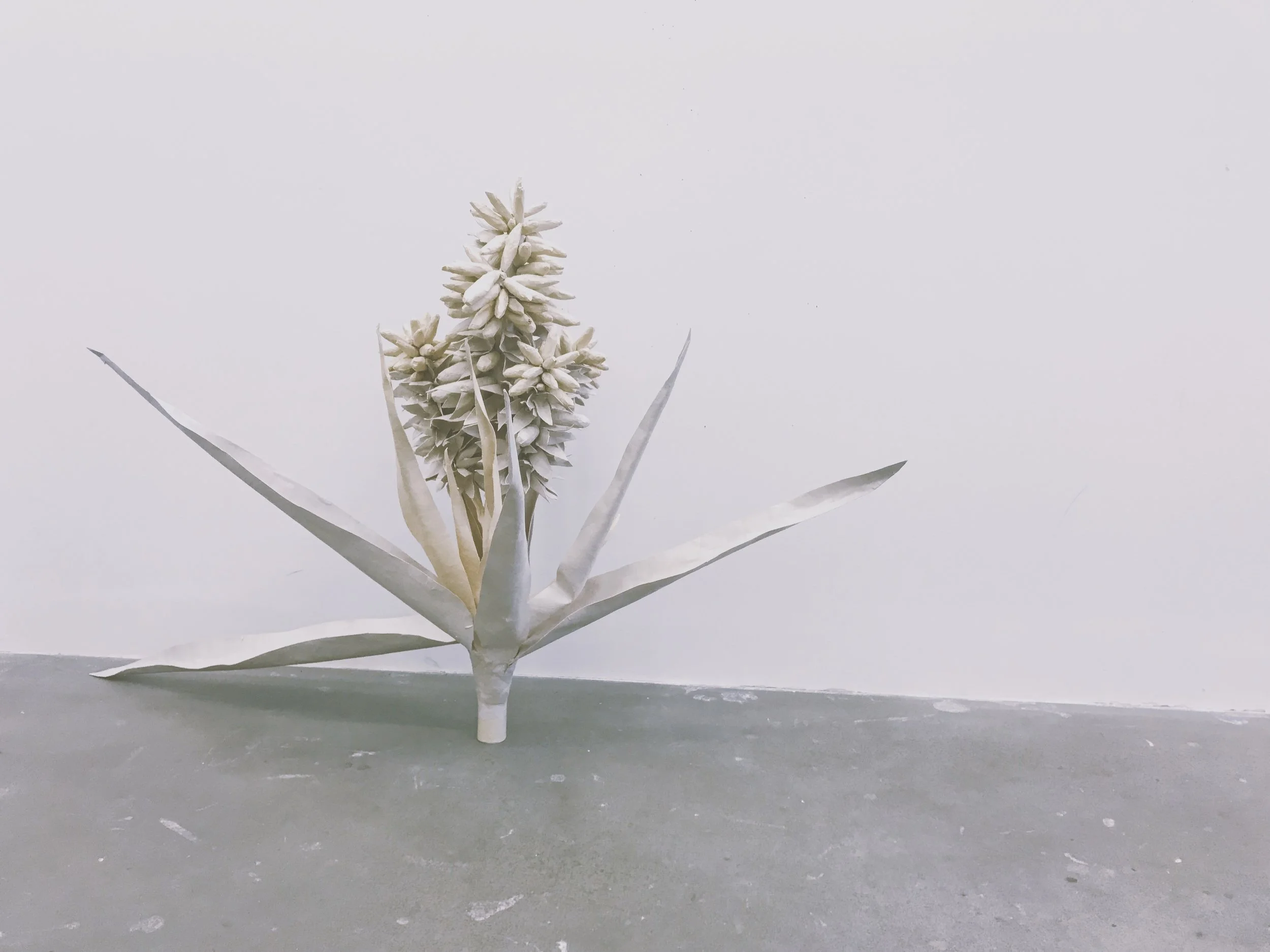
Herbarium

I’ve started my own small herbarium. A herbarium is a collection of preserved plants of fungi. They are usually dried and mounted on a sheet but they can also be stored in a liquid preservative. I recently came across the term “holotype” in Daston and Galison’s book called Objectivity.
“Objectivity did make inroads into other areas of botanical practice, such as the introduction of the “type method” in the late nineteenth century and early twentieth centuries in order to stabilize nomenclature. At the level of species, the type method fixed the name to an individual specimen, called the “holotype,” usually the first found by the discoverer or “author” of the new species. This specimen need not be (and often is not) typical of the species it represents, but it is the court of last appeal for all future questions about the definition of the species, as its official name-bearer. Holotypes are labelled with great care, specifically labeled and stored at the major herbaria of the world, to which botanists must travel to inspect the specimen firsthand. Each one is unique as as unique as a Vermeer or a Cezanne, and, at least to the botanist almost as valuable.” (p.110,111)
It’s unlikely that I have collected any holotypes on my foray to Vancouver Island but it wouldn’t be impossible. There are so many unidentified species that it is possible find many mushrooms that are unknown. The question is how would I know if it was a unidentified or even a holotype. It seems that much of this is determined by DNA testing now. Which makes me all the more curious about the variety of lab tests and how they structure what it is possible to know and possible more importantly to visualize.